Château Cicéron

A unique site in the heart of the Corbières

300 x 179300 x 179


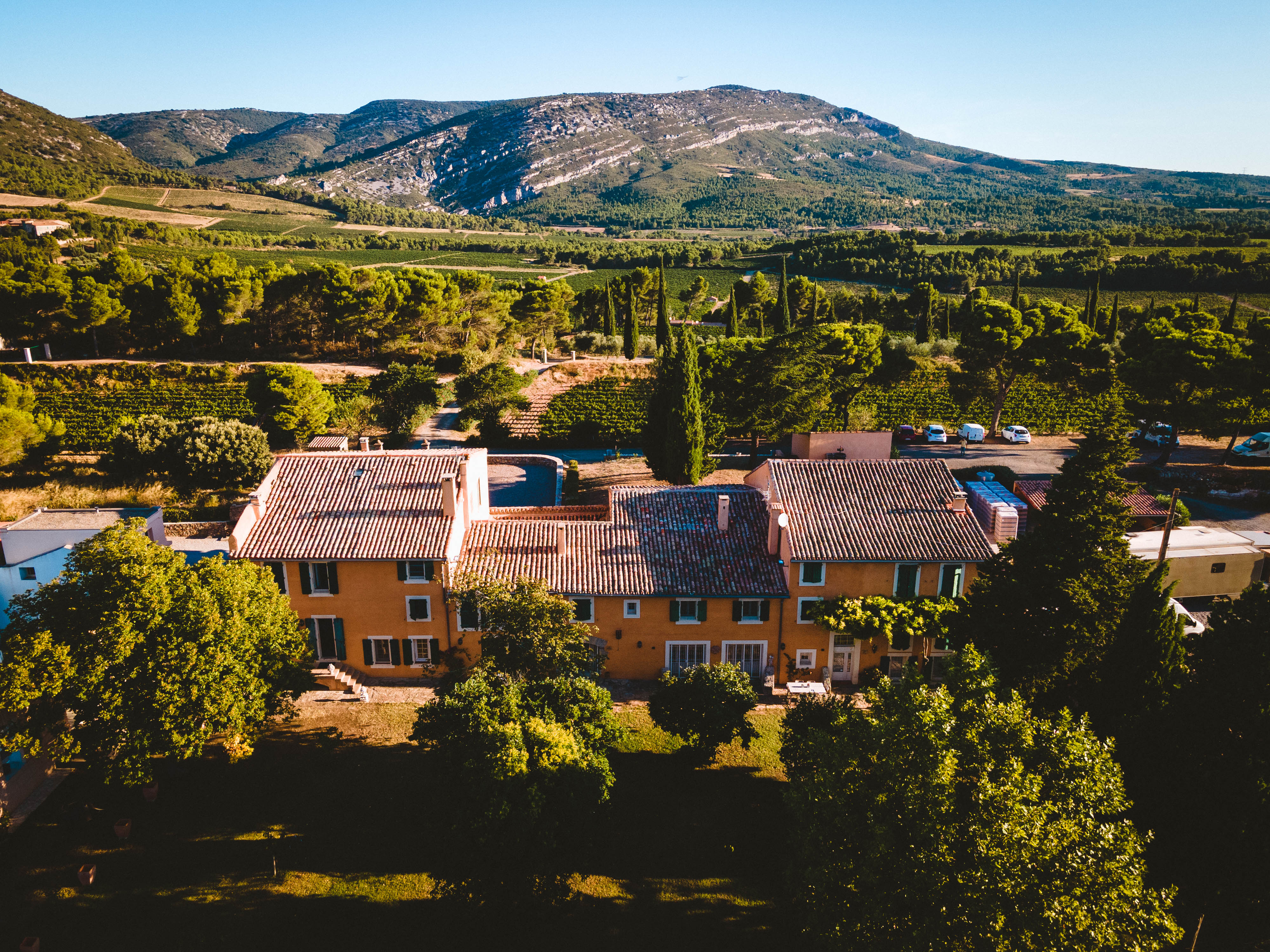
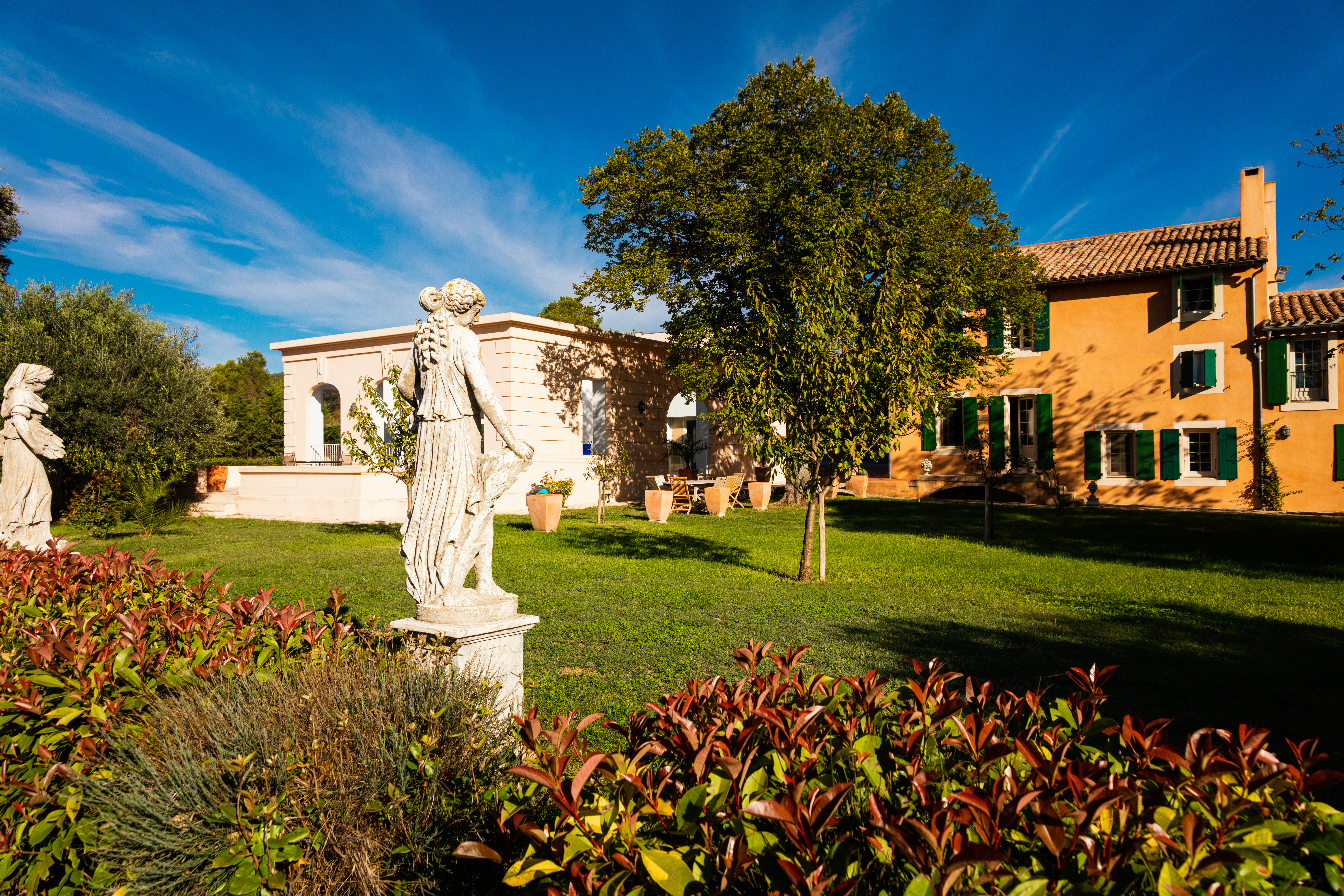
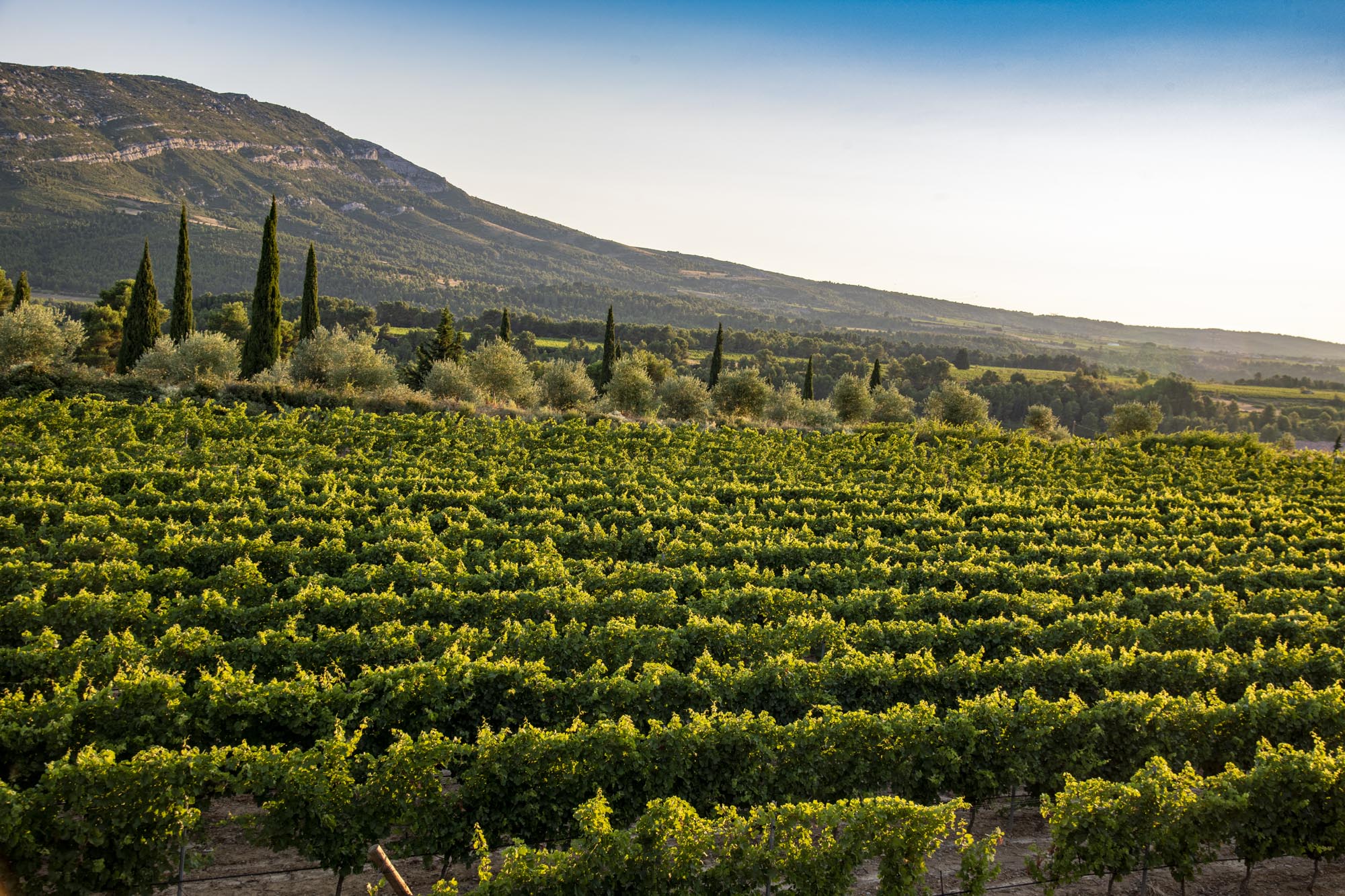
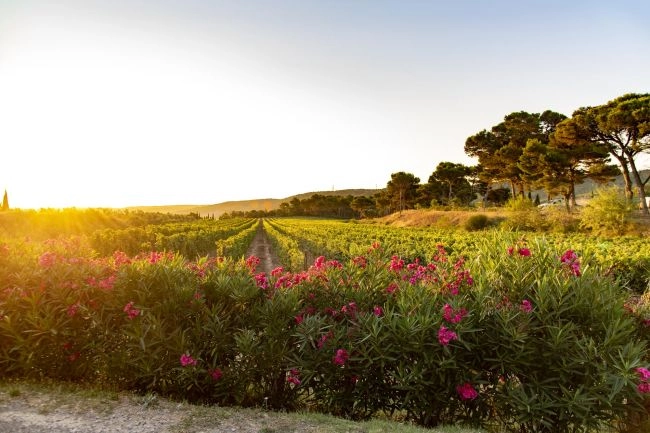
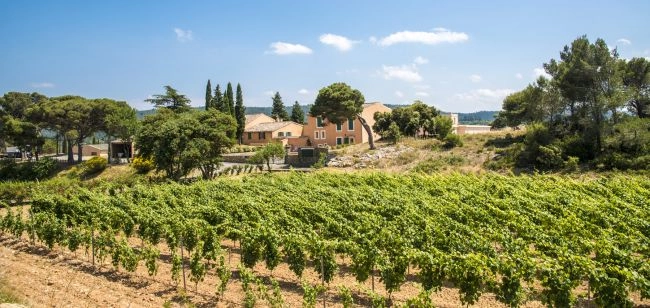
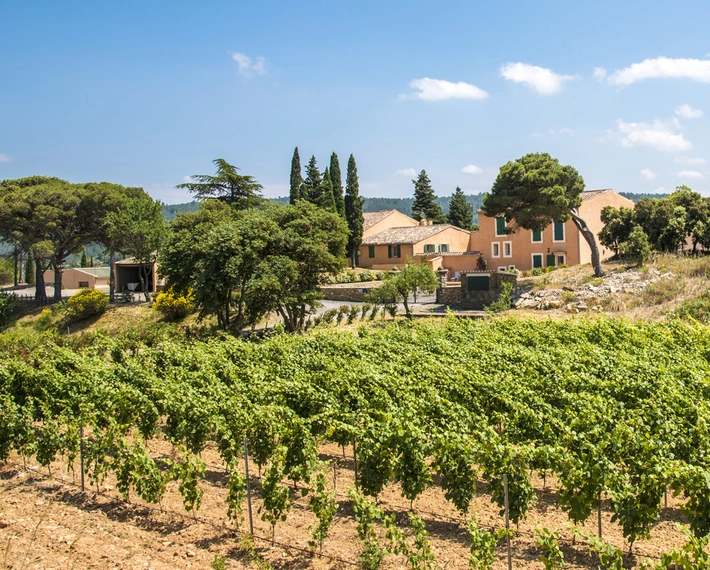
Protected to the north by the Alaric mountain and facing due south, Château Cicéron overlooks the meanders of the Orbieu River, near Lagrasse.

A privileged place, preserved from mass tourism, it embodies a form of winegrowing in harmony with nature.

The privilege of place

An estate where nature, wine and innovation come together

Cicéron's vocation is part of the approach to innovation and quality championed by Claude Vialade. The estate forms a preserved ecosystem, designed to combine terroir expression, winegrowing research and visitor hospitality.

Close to Lagrasse, listed among the most beautiful villages in France, Château Cicéron offers a rare setting, at once discreet, natural and deeply rooted in the Corbières.

Discover Château Cicéron
Insérer un text alternatif Insérer un text alternatif
The Garden of Rare Vines

Winegrowing focused on tomorrow

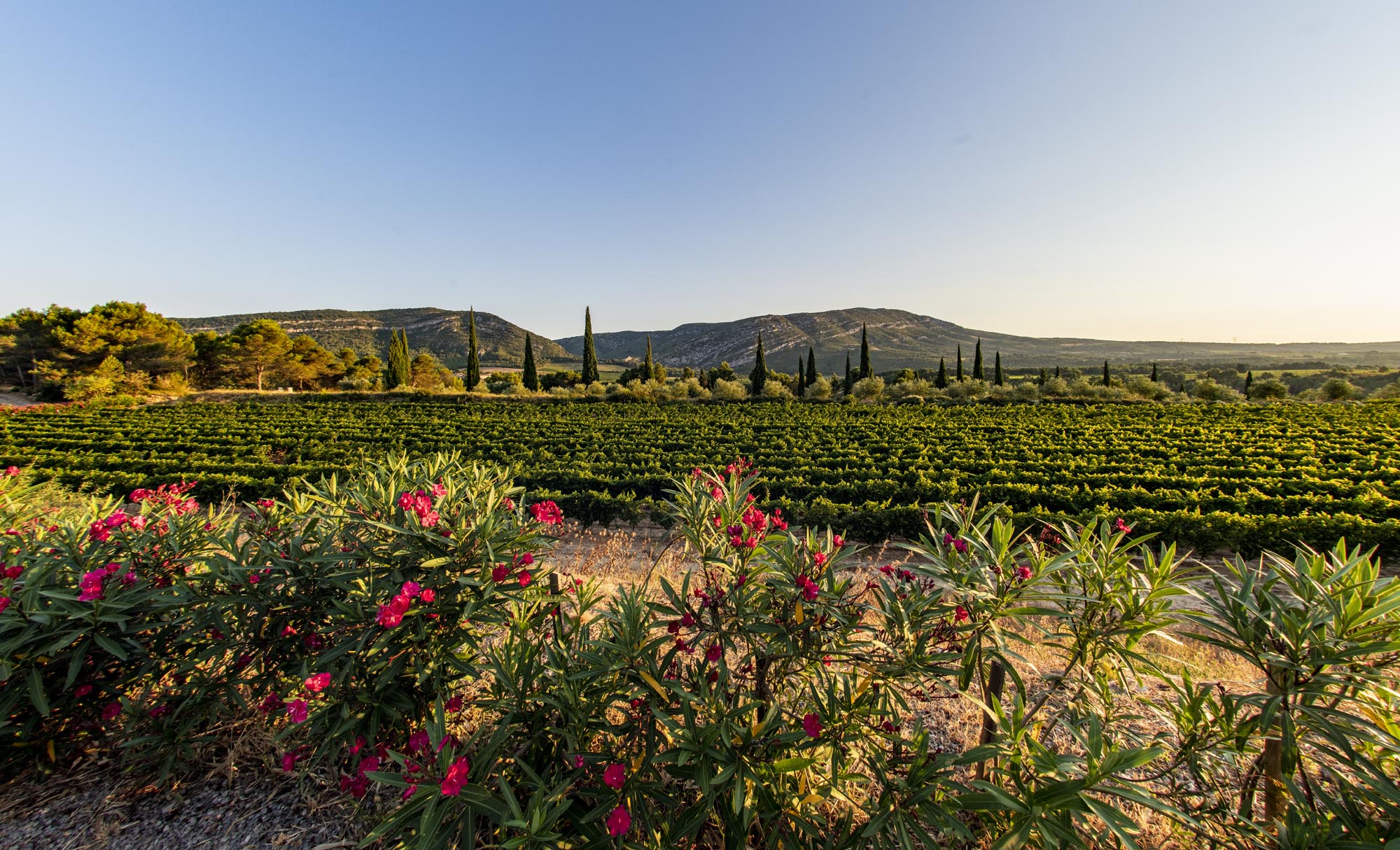
Under the guidance of Claude Vialade, the 10 hectares surrounding the estate have been designed as an experimental garden, the Garden of Rare Vines.

The choice of grape varieties and rootstocks follows the logic of the soil, the local climate and the challenges linked to global warming and water scarcity.

The approach was planned well in advance and professionally, with the support of an expert in each field: pedology and viticulture. Mathieu Dubernet, Director of the Oenology Laboratory and agricultural engineer, contributed to the grape variety selection, while Olivier Tregoat worked on pedology and mapping. Olivier notably carried out the terroir study for Cheval Blanc.

The aim of the studies was to define, with great precision, the almost perfect match between soil and grape variety. To achieve this, 34 pedological pits were dug across the different areas of the plots. The results revealed different soil profiles within the same plot.

Soil type, vine rooting, soil texture, organic matter content, mineralisation, total nitrogen content and pH are determining factors in the choice of rootstocks, in order to optimise the relationship between the vine and its soil.


Rootstock characteristics:

- R110: 110 Richter is a rootstock obtained in 1902 by Franz Richter. It is a variety resulting from a cross between Vitis berlandieri cv. Rességuier No. 2 and Vitis rupestris cv. Martin. This rootstock offers very good resistance to drought and low resistance to humidity.
  It is suited to gravelly soils, dry sandy soils and very hot land. R110 roots very well. It is the most drought-resistant rootstock. It delays maturity and is incompatible with Syrah.

- Fercal: Fercal is a rootstock obtained in 1958 by INRA. According to genetic analyses carried out in Montpellier, it is a variety resulting from a cross between Berlandieri Colombard No. 1B, itself actually resulting from a cross between Vitis berlandieri and Vitis vinifera cv. Ugni Blanc, and 31 Richter, resulting from a cross between Vitis berlandieri cv. Rességuier No. 2 and Vitis longii cv. Novo-mexicana. This rootstock offers good resistance to drought and medium to good resistance to humidity. It adapts to all types of soil, especially poor soils. Fercal is sensitive to magnesium deficiency. It is resistant to nematodes and remains vigorous in non-chlorosis-inducing conditions. It is the most chlorosis-resistant rootstock.
Origin : Spain

One of Spain's great white grape varieties

Very present in the Rueda region, near the Duero River, Verdejo gives rise to characterful white wines with a strong personality. It offers aromas of freshly cut grass, fine structure and plenty of body.

Verdejo
Origin : Spain

Galicia's emblematic white grape variety

Originally from Galicia, in northwestern Spain, Albariño offers floral aromas, notes of peach and a slightly spicy touch.

Albariño
Origin : France

A red grape variety born from a cross between Cabernet Sauvignon and Grenache Noir

Created in 1961, near Marseillan, by researchers from INRA and ENSAM. It gives red wines aromas of cocoa, blackcurrant and spices. The colour is deep, and the palate is medium-bodied, with fine tannins and good suppleness.

Marselan
Origin : France

A red grape variety distinguished by its aromatic finesse, spicy aromas and occasional bell pepper notes.

Cabernet Franc has good ageing potential. The famous Château Cheval Blanc in Gironde has 60% of its vineyard planted with Cabernet Franc.

Cabernet Franc
Origin : Spain

Grenache Noir is a Spanish grape variety imported into Languedoc as early as the Middle Ages.

Planted on dry, stony soils, it is highly productive. Its wines are generally high in alcohol and low in acidity, releasing an abundance of black fruit aromas such as prune and fig, enhanced by notes of cocoa, coffee and spices.

Grenache

Cicéron, a place dedicated to wine tourism

Experience the estate differently

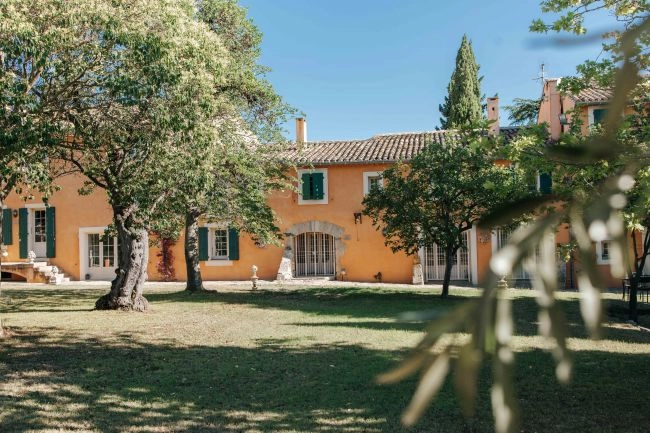
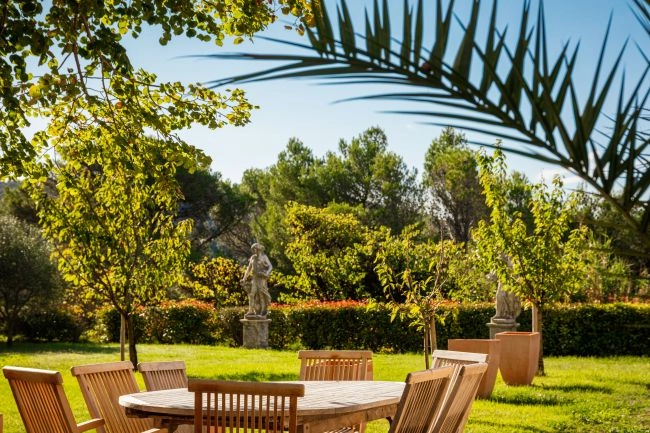
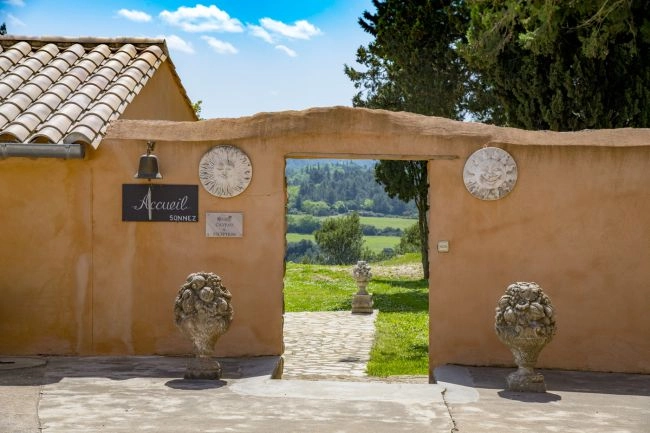
Château Cicéron welcomes visitors through a range of experiences: tasting cellar, direct sales, stays in a gîte or guest rooms, seminars, weddings and private receptions.

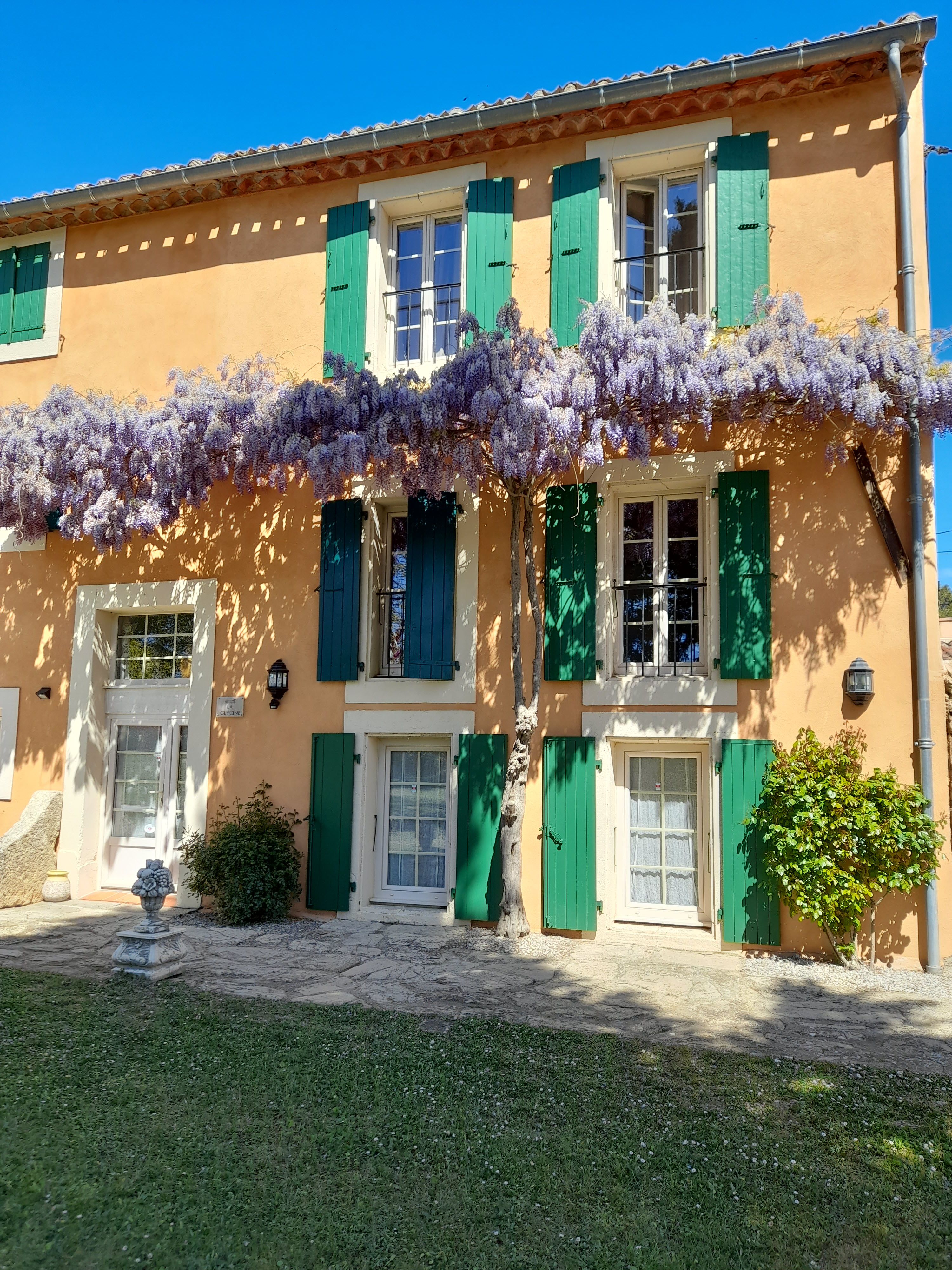
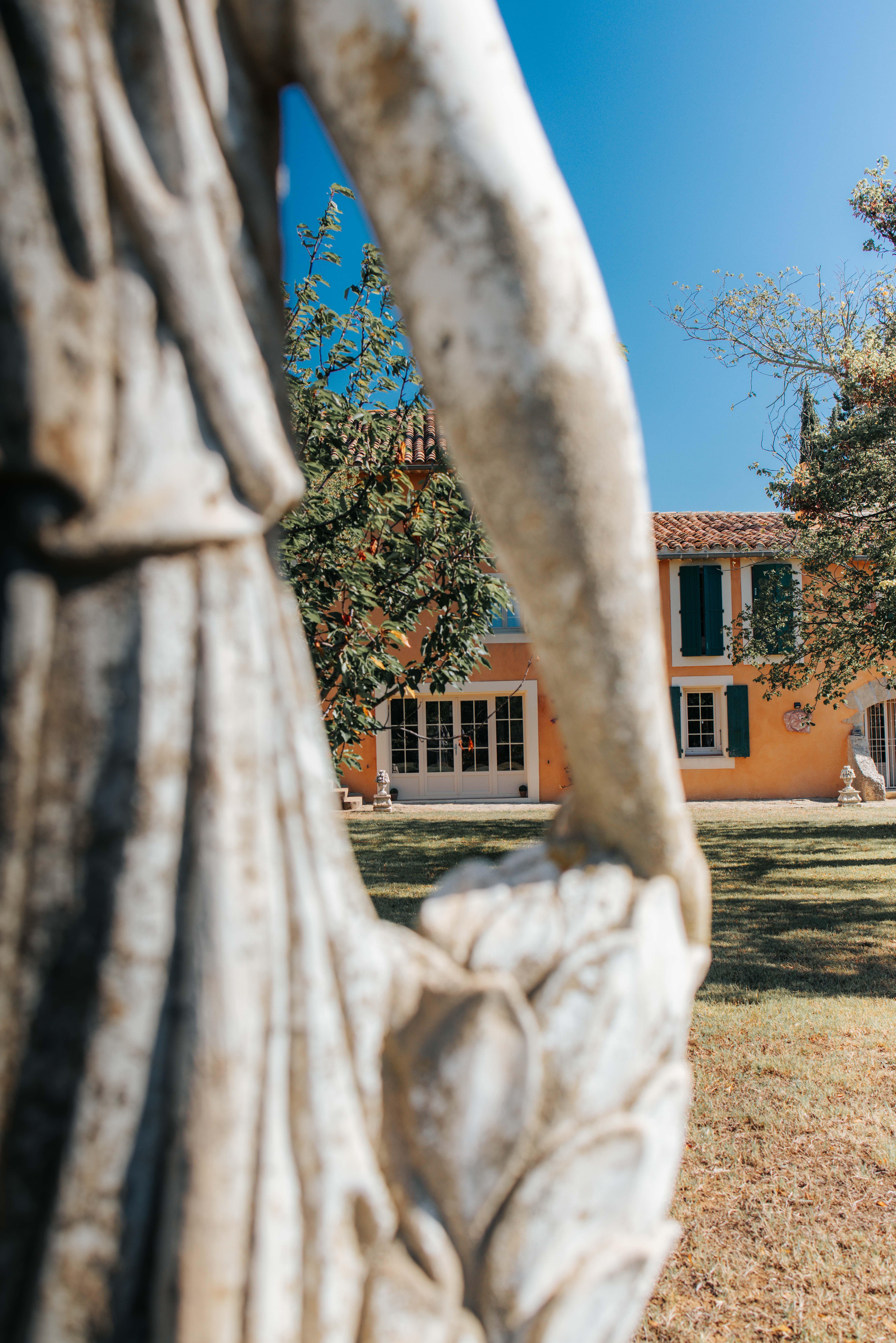
The estate also offers accommodation in the Grande Maison, a characterful building entirely dedicated to welcoming visitors. It features 5 family suites and beautiful shared living spaces, in a peaceful, preserved setting.

The terrace offers a splendid view of the Alaric mountain and the vineyard.


Learn more >